


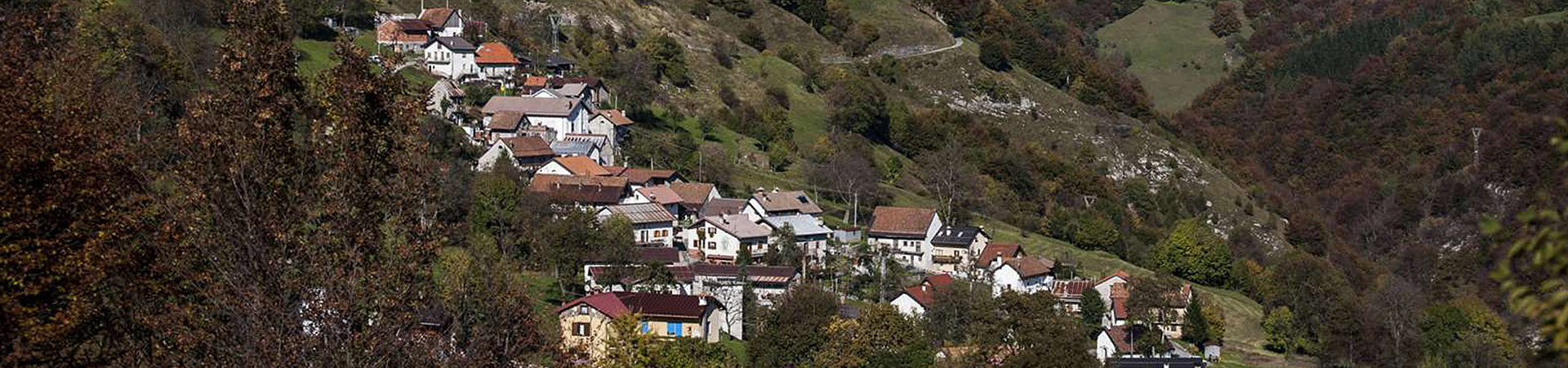
Friuli Venezia Giulia is a region rich in natural wonders and historical sites, “hidden” hidden around every corner, even the most unexpected. Below, we offer a selection of them near Agriturismo Km0, to inspire your next visit!
Lauco and Surroundings
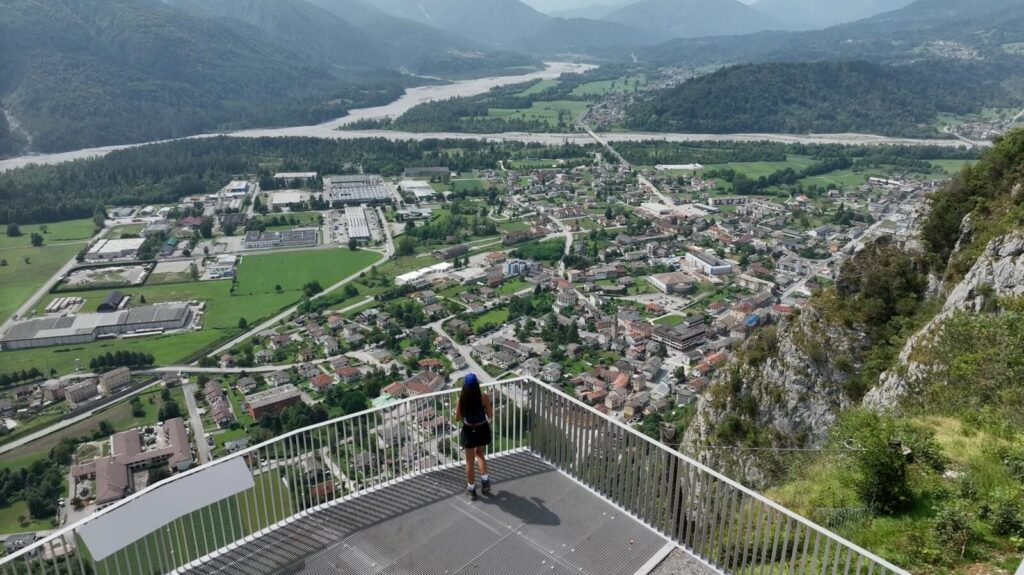
Lauco is a charming municipality nestled on the imposing plateau overlooking the Tagliamento Valley. A new viewing platform, inaugurated in 2024, offers extraordinary views of the picturesque Carnic Hills Intermunicipal Park.
Trava
Trava is a hamlet near Lauco, known for its characteristic fountains (still used today for traditional laundry). The Church of the Madonna della Trava, associated with the resurrection of children, is also very famous.

Vinadia Gorge
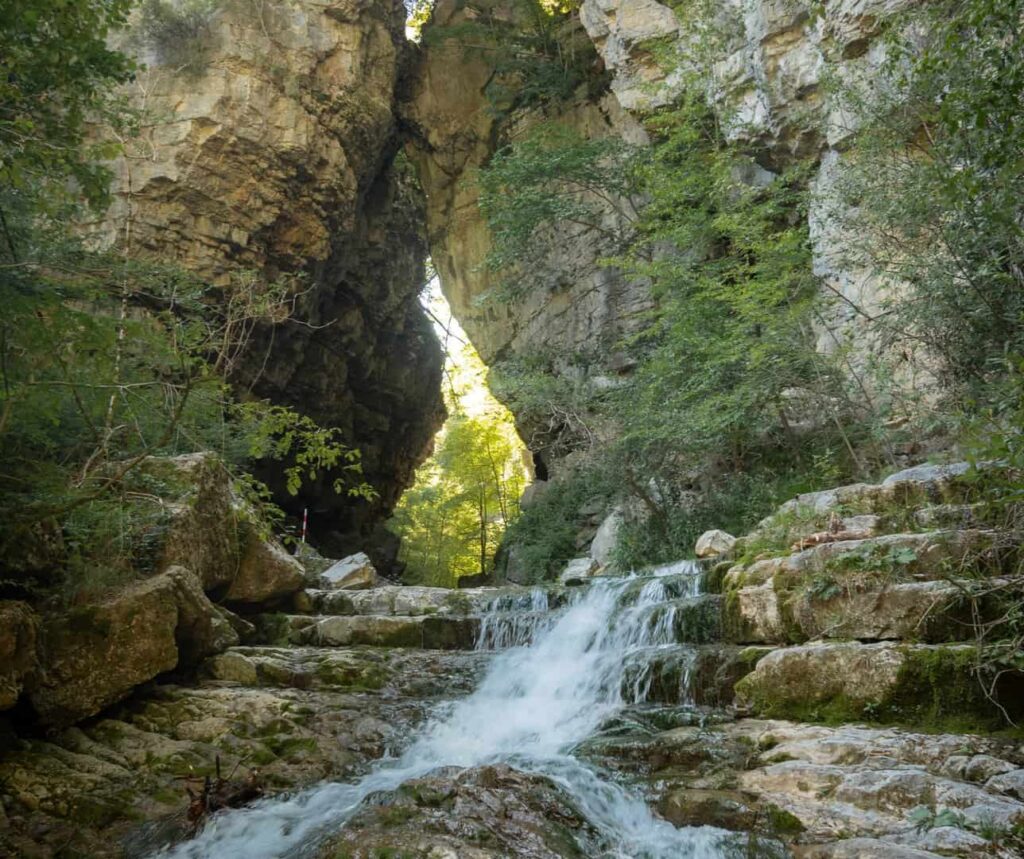
The Vinadia Gorgeis a spectacular natural site near the village of Vinaio, in the municipality of Lauco. Inside the gorge, there's an exciting trail that winds past waterfalls, lakes, and 200-meter-high rock faces..
Ravascletto Cable Car
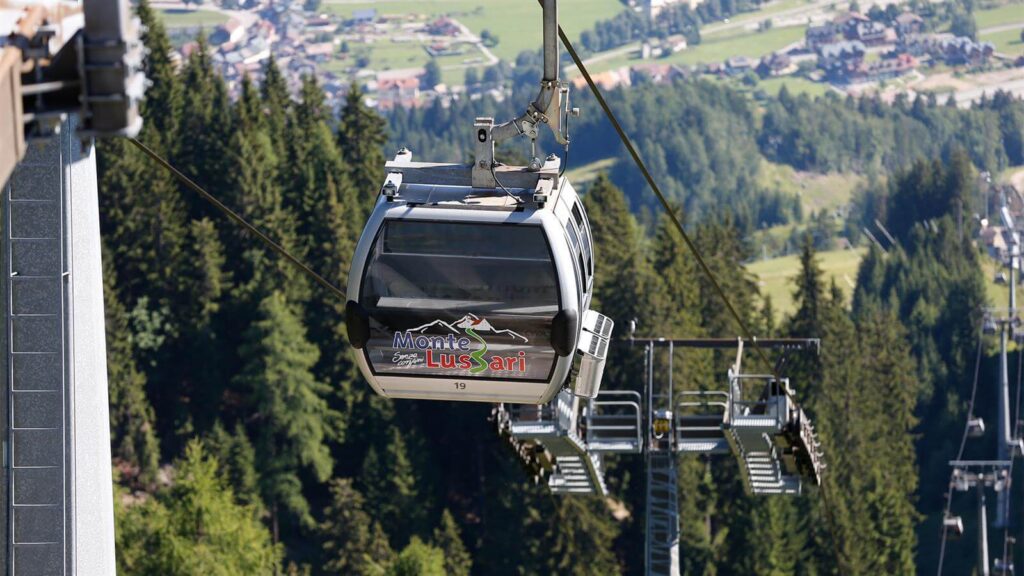
The cable car opened in 1975 and connects the town of Ravascletto to the summit of Mount Zoncolan. The ride takes about seven minutes and offers breathtaking views of the entire Carnia region.

Pagans Tombs
Five tombs carved into the limestone rock, attributed to the ancient Gans or Pagans people, were discovered in Curs, near Lauco. Three more tombs were found in Clapò, above the village of Chiauians.
Villa Santina
Villa Santina, located about 10 minutes from Lauco, is one of the entraces to the Carnic Hills Intermunicipal Park. Among its monuments are the Pieve di Santa Maria Maddalena and the small church of Madonna del Ponte, as well as the Radime waterfall.

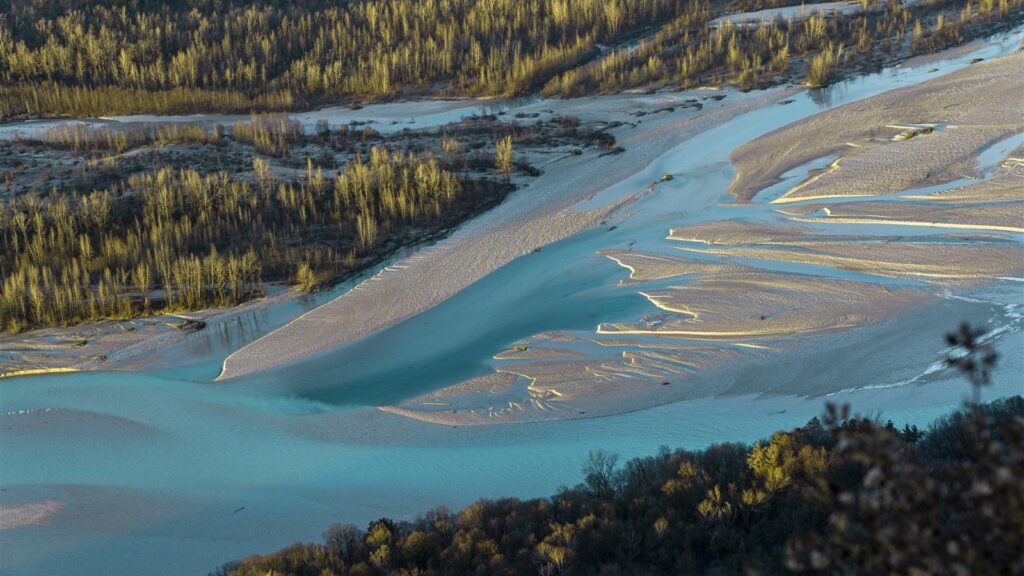
Tagliamento River
Among Italy's most beautiful rivers, the Tagliamento flows through Friuli for over 170 km, from the Dolomites to the Adriatic Sea. It is one of the last European rivers to retain its original course, attracting tourists from around the world every year.
Tolmezzo
Tolmezzo is the historic capital of Carnia, a must-see tourist destination. Places of interest include the Cathedral of San Martino, the Michele Gortani Carnic Museum of Popular Arts and Traditions, the Church of Santa Caterina, and the Linussio, Campeis, and Frisacco Palaces.
